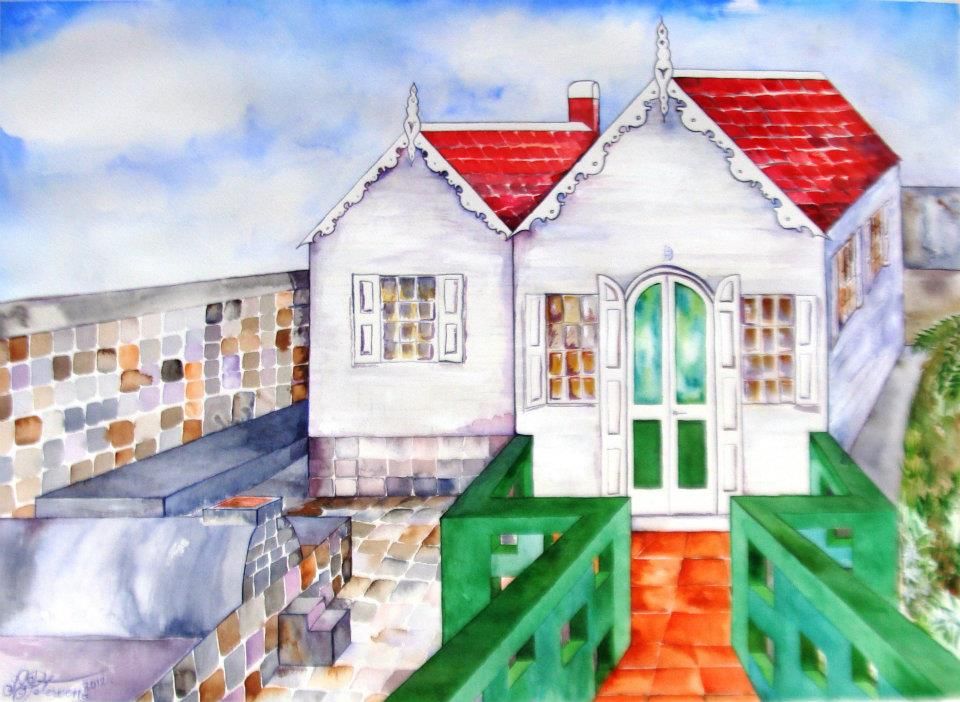
WatercolourAngelita PetersonPapa's House 2012
A winning submission to the Where Culture Lives Artist Prize. For the full work and description, visit www.wcla.com.
Watch the work →In Saba 78% of respondents said they promote culture in their community, 57% volunteer, 52% organise events and 52% are members of cultural associations. The participation rates for festivals reach 90% on Saba — the highest rate recorded for any event/activity attendance category on any island.
Each piece offers its own reflection to the question 'Where does culture live?' The works offered an impression of cultural life, highlighting everyday practices, identity, memory and different forms of expression.
A winning submission to the Where Culture Lives Artist Prize. For the full work and description, visit www.wcla.com.
Watch the work →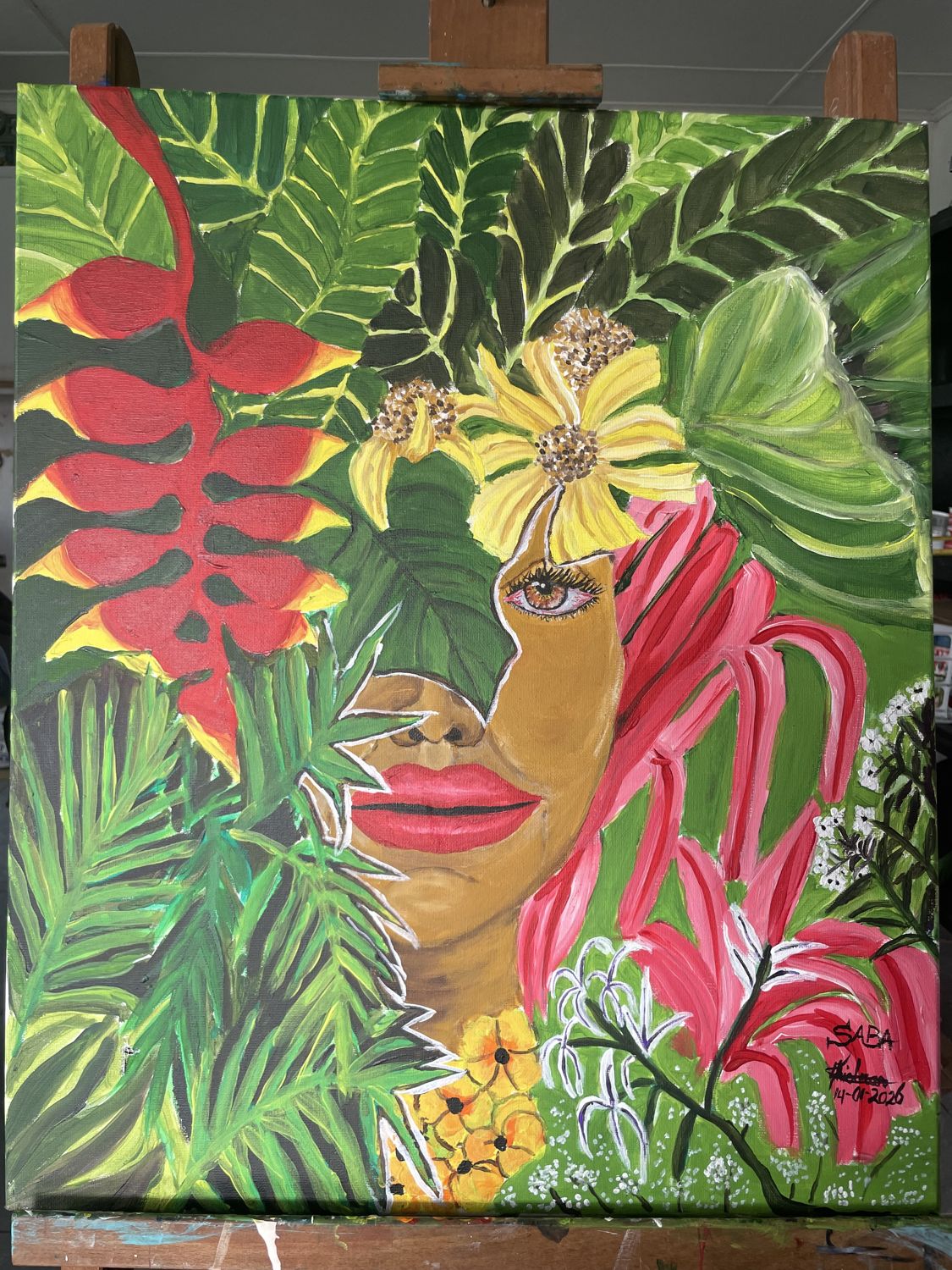
A winning submission to the Where Culture Lives Artist Prize. For the full work and description, visit www.wcla.com.
Watch the work →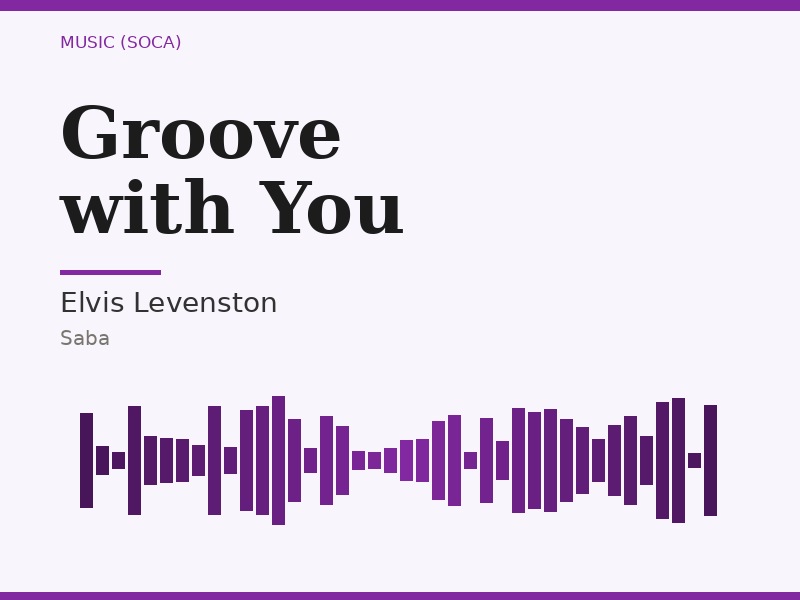
A soca song in which a Saban man joyfully invites his lady to dance — born of resilience and community.
Watch the work →
A poem celebrating a 'Grand Rising' — a blessed morning coming alive in a traditional Saban yard.
Watch the work →Survey data from 40 respondents on which cultural and creative practices they have engaged in and what they are most active in.
Saba · n=40 · Top responses
WCL survey 2026. Multiple responses allowed.
Saba · n=40 · Top responses
WCL survey 2026. Single most active practice selected.
Discussions were organised around six research domains. Below are key findings from each domain as raised by focus group participants on Saba.
Cultural education exists in Saba schools and is continuing to develop. Sacred Heart School anchors cultural content through a school-wide cultural calendar, guest practitioners and the Leerorkest strings programme.
A small but committed core of practitioners keep calypso, visual arts, crafts, film, dance and community events alive, largely through volunteer effort. Handmade on Saba is a strong example of a self-organised artist cooperative.
Saba's living heritage is rich — jollification, music, traditional food, Saban English dialect, oral storytelling and celebrations such as Culturama and Saba Day remain part of island life.
Carnival is Saba's cultural anchor — the most visible platform for community identity, intergenerational bonding and local artistic voice. Festival attendance reaches 90%, the highest in the archipelago.
A small but dynamic ecosystem exists — Cultural Department, Cultural Fund, Heritage Center, Sea & Learn, Public Library, Tourist Bureau and Handmade on Saba. Funding access is the most consistently raised barrier.
Saba's niche tourism — diving, hiking, heritage — creates natural alignment with the creative economy. Local crafts, Saba lace and cultural events are part of the island's visitor offer.
Survey breakdowns, focus-group transcripts and the full WCL recommendations are included in the final report.
Download the report (PDF) →